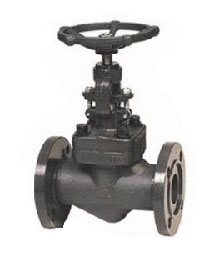
How to Choose the Right Material for a Globe Valve?
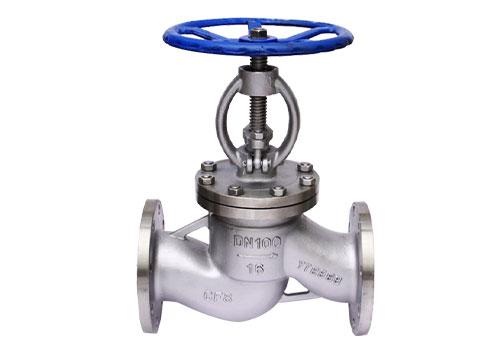
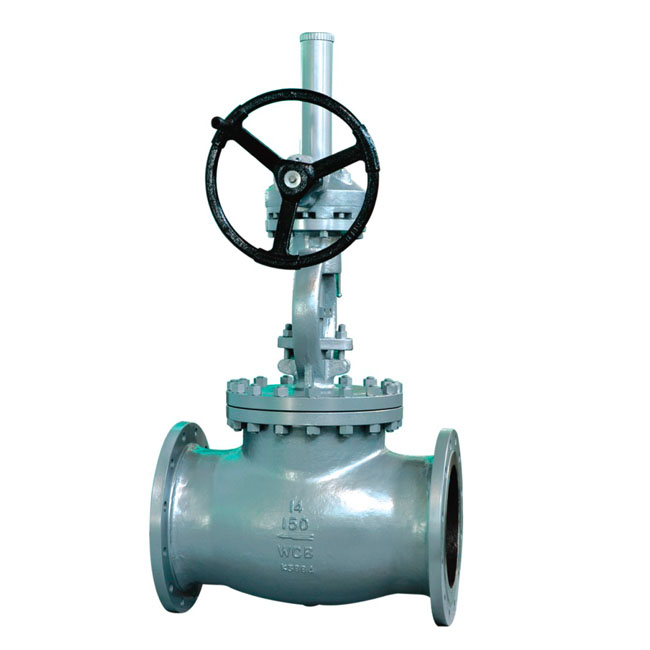
The material of a globe valve plays a key role in its performance, service life, and reliability. Choosing the right material depends on the working medium, operating temperature, and pressure.
Here are the most common materials used for globe valves:
Cast Iron & Ductile Iron
An economical choice for water supply and low-pressure steam systems. Suitable for general applications but not recommended for low-temperature or high-impact conditions.
Carbon Steel (WCB, A105)
The most widely used material in industrial applications. It offers excellent strength, pressure resistance, and versatility for water, oil, gas, and steam services.
Stainless Steel (304 & 316)
Ideal for chemical processing, food & beverage, pharmaceutical, and other corrosive environments. Grade 316 provides superior resistance to chloride corrosion compared to 304.
Bronze & Brass
Commonly used in water, oil, and gas systems. Bronze offers excellent seawater corrosion resistance, making it a preferred choice for marine applications.
Alloy Steel
Designed for high-pressure and high-temperature services such as power plants and refineries, where temperatures can exceed 500¡æ.
Special Alloys
Materials such as Duplex Stainless Steel, Titanium, Hastelloy, and Nickel Alloys are selected for highly corrosive media, seawater, or cryogenic applications.
Don't overlook the sealing surface. Hard-faced alloys, alloy steel, and reinforced PTFE are commonly used to improve wear resistance and sealing performance in demanding operating conditions.
Choosing the right globe valve material is not about selecting the most expensive option-it's about selecting the material that best matches your application. The right choice can improve system reliability, reduce maintenance costs, and extend service life.
Which globe valve material do you use most in your projects?
#GlobeValve #IndustrialValves #ValveMaterials #CarbonSteel #StainlessSteel #DuplexSteel #ValveSelection