Butterfly Valve vs Gate Valve ¨C Which Has Better Sealing Performance?
In pipeline engineering projects, many engineers and buyers often ask:
Which valve provides better sealing performance - butterfly valve or gate valve?
Both are widely used in water supply, HVAC, chemical plants, and fire protection systems, but their sealing structures and application scenarios are quite different.
Gate Valve Sealing Performance
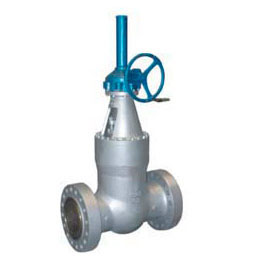
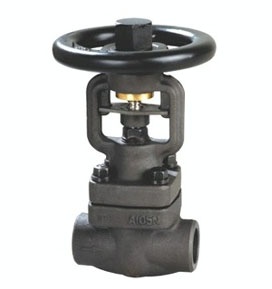
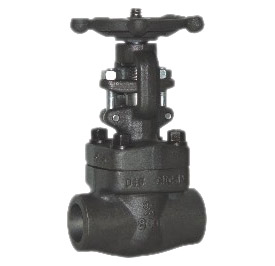
Gate valves use wedge or parallel gate sealing structures with tight contact between the disc and seat, providing excellent shut-off capability.
Suitable for high-pressure and high-temperature systems
Can achieve near zero leakage under standard conditions
Ideal for applications requiring strict sealing performance
However, gate valves are usually larger, heavier, and slower to operate.
Butterfly Valve Sealing Performance
Butterfly valves rely on soft seats or metal sealing structures.
Compact structure and lightweight
Easy installation and operation
Cost-effective for large diameter pipelines
Soft-seated butterfly valves perform well in normal temperature water and ventilation systems, while metal seated types are suitable for more demanding conditions.
Conclusion
For applications requiring strict sealing and zero leakage, gate valves are generally the better choice.
For general water systems, ventilation, and large flow pipelines, butterfly valves provide excellent efficiency and economic value.
Choosing the right valve helps improve system stability, reduce leakage risks, and optimize operating costs.
#GateValve #ButterflyValve #IndustrialValves #ValveSelection